 Stormwater ponds are long‑term assets, not one‑time construction features. Over time, sediment accumulation reduces storage volume, treatment performance, and overall reliability. When dredging becomes necessary, success depends less on the act of sediment removal and more on the investigations, regulatory understanding, and planning completed well in advance.
Stormwater pond dredging is best approached as a multi‑disciplinary workflow—one that integrates geotechnical insight, environmental evaluation, regulatory compliance, and constructability considerations.
Start With the Pond’s Regulatory and Functional Context
Before considering dredging methods, it is critical to understand why the pond was built and how it is regulated. Many stormwater ponds are part of an approved stormwater management plan or MS4 permit compliance strategy and must continue operating as designed after sediment removal.
In Wisconsin, management of accumulated sediment from stormwater ponds is primarily governed by Chapter NR 528 of the Wisconsin Administrative Code, which establishes a streamlined, self‑implementing framework for sediment removal and reuse that protects water quality while reducing unnecessary landfill disposal. This framework applies to most detention ponds and basins, and it is often the starting point for dredging planning.
Understanding this regulatory backdrop early helps avoid redesign, delays, or enforcement issues later in the project.
Conduct a Geotechnical and Sediment Characterization Investigation Early
 A common misconception is that sediment evaluation can wait until construction. In reality, early sediment characterization is one of the most valuable investments to make.
A thoughtful investigation may include:
- Evaluating sediment thickness and variability
- Understanding underlying soils and pond liner conditions
- Identifying soft deposits that influence equipment selection
- Assessing dewatering potential and stability during removal
From a regulatory standpoint, NR 528 relies on a risk‑based approach to sediment management, in which testing may be required depending on the contributing drainage area and the proposed end use. Completing this work early allows project teams to confidently determine whether sediment may be reused beneficially or requires more controlled management.
Determine Sediment End Use Before Dredging Begins
One of the defining features of Wisconsin’s approach is that sediment end use is established before removal, not after. Under NR 528, sediment may be managed through several approved end uses, provided performance standards related to wetlands, groundwater, and surface water are met.
Owners should view this as an opportunity, not a constraint. Early end‑use planning can:
- Reduce disposal costs
- Simplify logistics and hauling plans
- Improve sustainability outcomes
- Minimize project risk
Documentation of this process is typically completed using WDNR’s Accumulated Sediment End Use Certification, which must be retained by the sediment manager as part of the project record.
Evaluate Dewatering and Water Management Constraints Upfront
Stormwater pond dredging is, by nature, a water management exercise. Decisions related to pond drawdown, bypass pumping, and water treatment often control the feasibility and schedule of the project.
From a regulatory perspective, projects may trigger requirements under WDNR waterway protection, dewatering, or stormwater discharge programs depending on site‑specific conditions. Early coordination helps determine:
- Whether general permits or individual approvals apply
- How dewatered water must be treated prior to discharge
- How construction sequencing can reduce downstream impacts
Proactive planning in this area often prevents schedule‑driven compromises later in construction.
Anticipate Construction Access and Seasonal Constraints
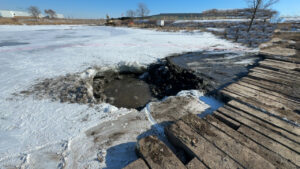 Unlike many underground infrastructure projects, stormwater pond dredging is highly sensitive to site access and seasonal conditions. Evaluations should include:
- Ground bearing capacity around the pond perimeter
- Limitations on haul routes or staging areas
- Seasonal precipitation patterns that affect sediment handling
In some cases, frozen or dry-weather conditions can improve constructability by reducing disturbance and making sediment easier to handle. Considering these conditions during planning can also improve bid competitiveness and lower the risk of change orders.
Protect the Pond’s Long‑Term Performance
Dredging is not complete when sediment is removed. Post‑dredging verification is often needed to confirm that the pond will continue to meet approved performance standards related to storage volume and treatment effectiveness.
WDNR guidance emphasizes the importance of documentation, record retention, and verification when sediment is removed from stormwater management structures. For owners, this supports defensible asset management decisions and future inspections.
A Process‑Driven Perspective Pays Dividends
Stormwater pond dredging is most successful when treated as a planned infrastructure renewal activity, not a reactive maintenance task. By investing early in investigation, regulatory alignment, and workflow development, owners typically experience:
- Fewer surprises during construction
- Greater flexibility in sediment management options
- Improved cost control and schedule predictability
- Stronger documentation for long‑term compliance
By focusing on what is possible—rather than just what is required— dredging projects can be approached with confidence and clarity.